New AI decision-support tool for heart failure enters clinical validation: the STRATIFYHF study
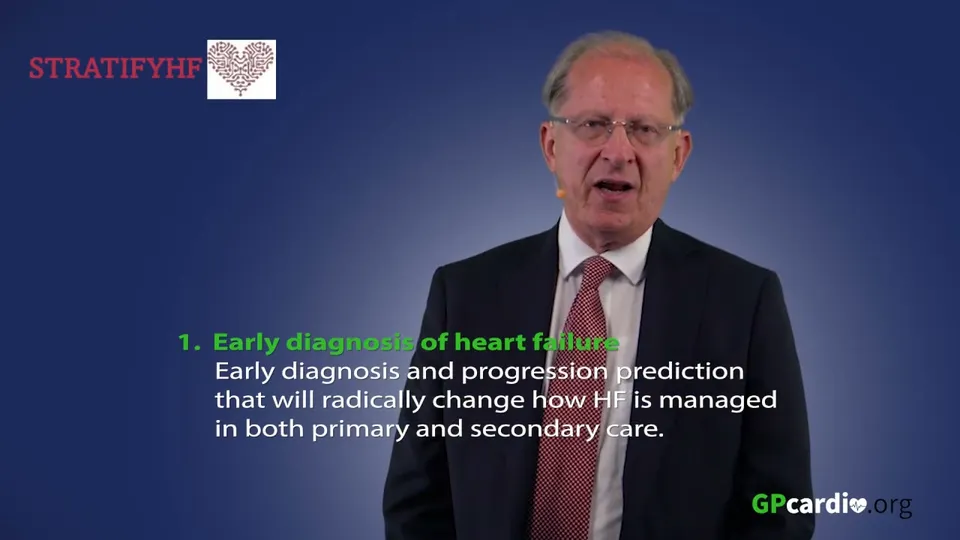
A prospective, multicentre European study aims to validate an artificial intelligence system that could help GPs and cardiologists diagnose and risk-stratify heart failure earlier and more accurately.
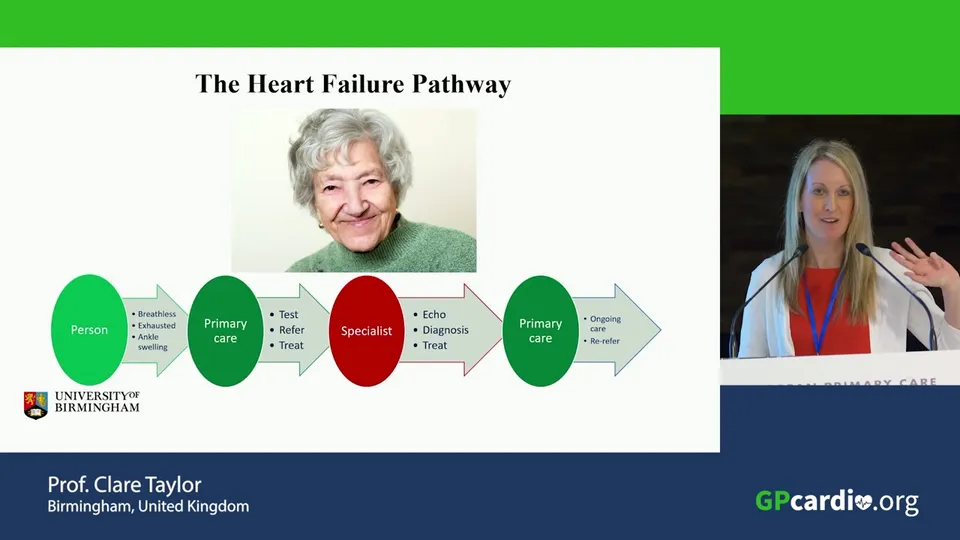
Heart failure (HF) affects more than 64 million people worldwide and remains notoriously difficult to diagnose, particularly in primary care, where symptoms such as breathlessness, oedema and fatigue overlap with other common conditions. Natriuretic peptide testing (NT-proBNP), the current first-line tool for GPs, is highly sensitive for ruling HF out but has poor specificity (around 65%), generating large numbers of false positives and unnecessary referrals. As a result, up to two-thirds of patients referred to secondary care with suspected HF do not have the diagnosis confirmed on echocardiography.
The STRATIFYHF study, published in BMJ Open and led by researchers from Newcastle University and Coventry University, sets out to address this gap by developing and validating an AI-based decision support system (DSS) for HF risk stratification, diagnosis and disease progression.
Study design
STRATIFYHF (NCT06377319) is a prospective, longitudinal cohort study recruiting up to 1,600 adults aged ≥45 years across eight clinical centres in the UK, Germany, Italy, Serbia, the Netherlands and Spain.
Participants fall into two groups:
- 800 individuals at risk of/suspected of HF, identified via primary care, direct-access echocardiography or cardiology referral
- 800 patients with a confirmed HF diagnosis (HFrEF, HFmrEF, HFimpEF or HFpEF), recruited from secondary care
Participants are followed for up to 24 months, with comprehensive assessments, medical history, physical examination, blood biomarkers, ECG, echocardiography, and quality-of-life questionnaires, repeated at baseline and 12 months.
Novel technologies under evaluation
Beyond standard investigations, STRATIFYHF incorporates several innovative diagnostic tools:
- Cardiac output response to stress (CORS) test — a non-invasive bioreactance-based measure of cardiac output at rest, on standing, and during a step-test challenge
- Voice recording/speech biomarker analysis, using acoustic feature extraction (Praat software) to detect subtle speech pattern changes associated with cardiovascular status
- Home-based wearable monitoring, a subset of participants will use a wrist-worn device (Withings ScanWatch 2) to track weight, blood pressure, ECG and activity over 6 months
- Cardiovascular MRI in a subset (n=20–40 per eligible centre) at baseline
The AI model
The DSS will use machine learning approaches, including neural networks, random forests, support vector machines and gradient boosting, trained on longitudinal patient data to predict time to HF onset and disease progression. Model predictions will be made interpretable using explainability techniques (LIME, Shapley values) to support clinician trust, and performance will be reported using sensitivity, specificity, F1 and R² metrics, with independent validation using a test set from the University of Florence.
Why it matters for primary and secondary care
The authors argue that current risk-stratification tools for HF are limited and rarely implemented in routine practice, leaving GPs without adequate means to refine referral decisions. STRATIFYHF aims to produce a validated, mobile-app-enabled DSS that could reduce unnecessary secondary-care referrals, support earlier and more accurate diagnosis, and improve prediction of disease progression, with focus groups and interviews with clinicians and patients feeding into the design and usability of the eventual mobile application.