FIMMG National Congress Italy: strengthening dyslipidaemia management in primary care
Management of Patients with Dyslipidemia in the General Practitioner's Office
Early intervention, personalised treatment and closer collaboration between primary and specialist care were central themes of a workshop on dyslipidaemia at Italy’s FIMMG National Congress
The workshop, “//Management of Patients with Dyslipidemia in the General Practitioner’s Office: Prevention, Diagnostic Algorithm, Available Therapies, and a Multidisciplinary Approach//,” explored how general practitioners can translate advances in cardiovascular prevention into everyday patient care.
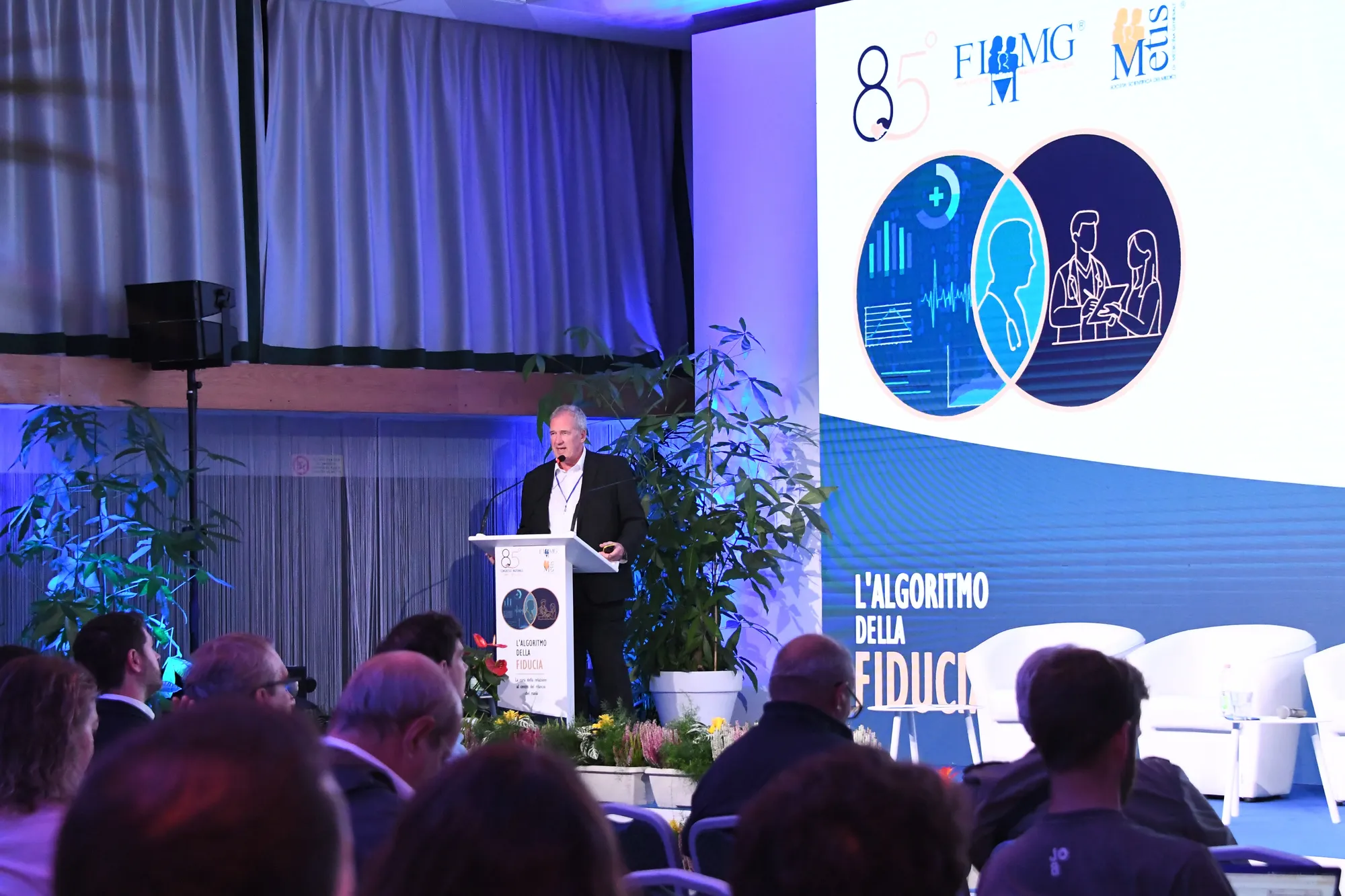
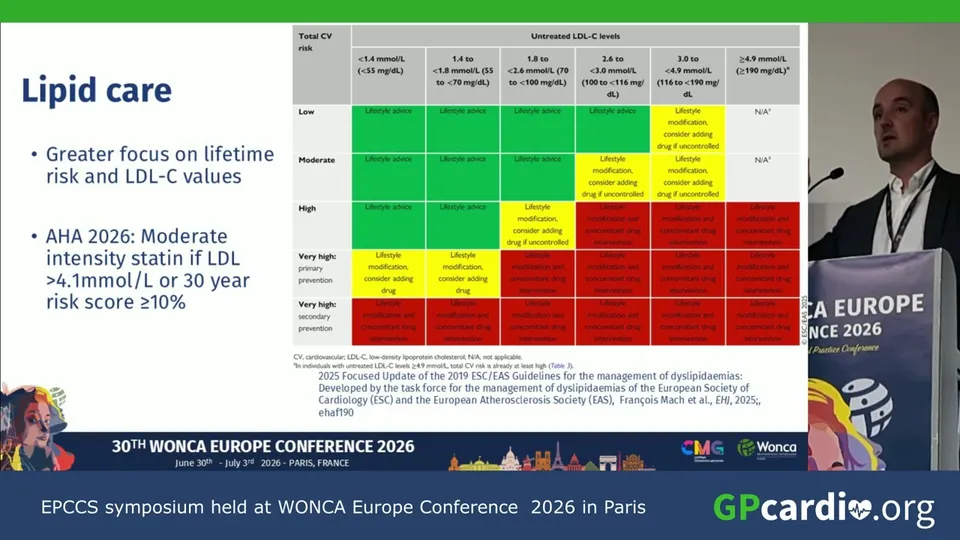
Professor Richard Hobbs of the University of Oxford, President of the European Primary Care Cardiorenalmetabolic Society (EPCCS), presented recent scientific evidence and developments in European guidelines for dyslipidaemia management. He highlighted the importance of early and sustained LDL cholesterol reduction, tailoring treatment to each patient’s cardiovascular risk, and using digital tools and clinical algorithms to support appropriate treatment decisions.
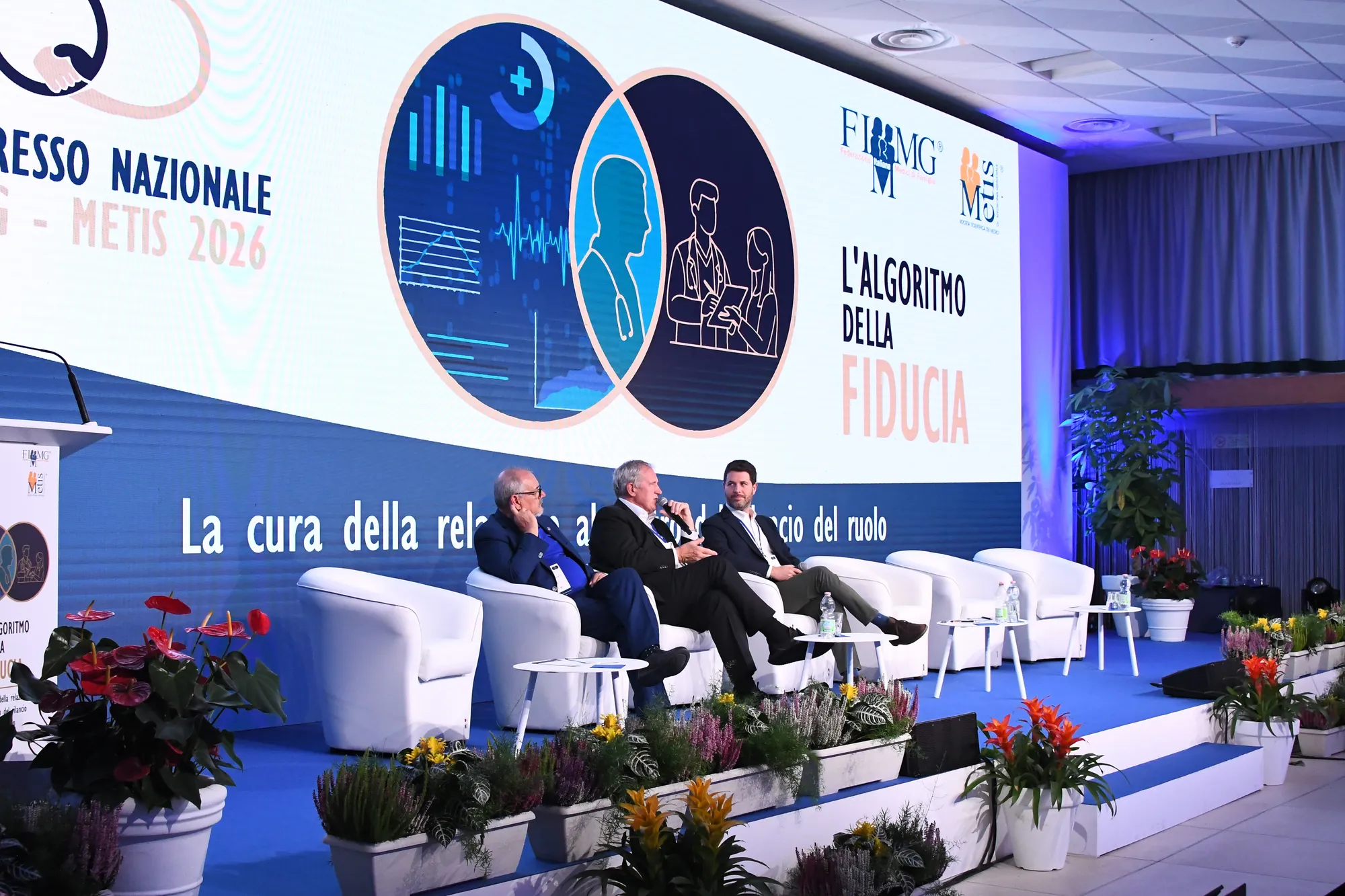
A key part of the workshop was the discussion between Professor Hobbs and Walter Marrocco, Scientific Director of FIMMG and a member of the EPCCS Board and Council. Their exchange addressed how international evidence can be applied within Italian general practice, with particular attention to continuity of care, treatment adherence and stronger integration between general practitioners and specialists.
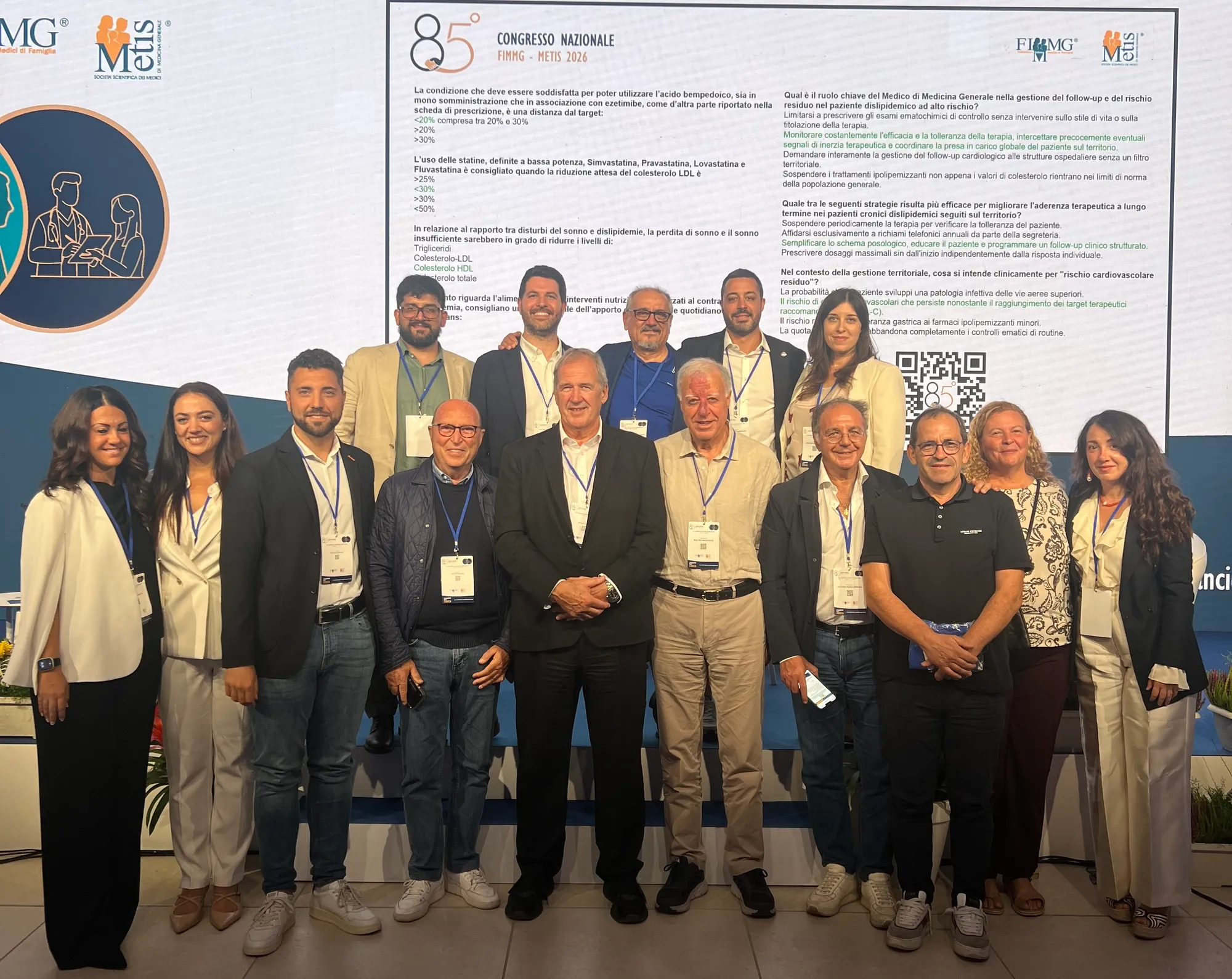
With contributions from Ivan Carrara and Giuseppe Bombardiere, the workshop also presented a practical algorithm to support general practitioners in cardiovascular risk assessment, treatment selection and follow-up of patients with dyslipidaemia.
The meeting reinforced a message central to GPcardio’s mission: effective cardiovascular prevention depends on equipping primary care professionals to turn scientific evidence into personalised, practical care pathways. By connecting international expertise with local clinical experience, initiatives such as this help strengthen the role of general practice in reducing cardiovascular risk.